
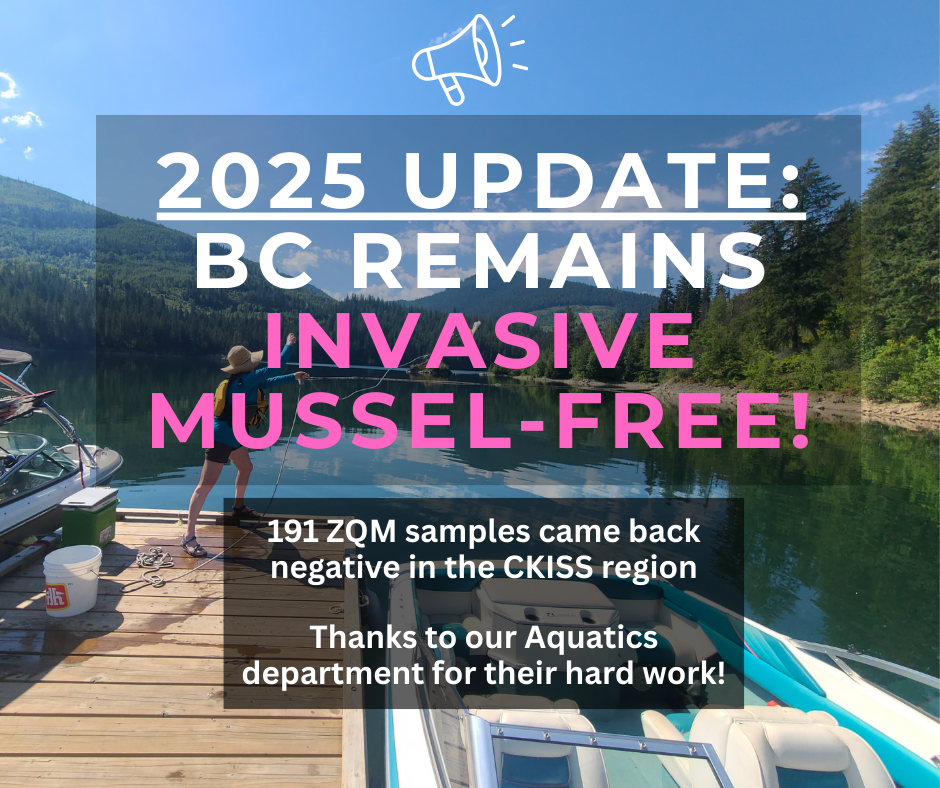
The Central Kootenay Invasive Species Society (CKISS) is pleased to share that all 191 water samples collected in 2025 from lakes and rivers across the Kootenay region tested negative for invasive zebra and quagga mussels. These results confirm that our local waterbodies remain mussel-free.
CKISS conducted monitoring at priority lakes and rivers throughout the region, with samples analyzed by a B.C. Government-designated laboratory using the Provincial lake monitoring protocol. This monitoring complements and strengthens B.C.’s broader invasive mussel prevention efforts.
Monitoring + Inspections = Strong Prevention
Lake monitoring is just one layer of defence. Across B.C. in 2025, Invasive Mussel Defence Program inspection crews:
Completed ~27,100 watercraft inspections
Engaged with 50,700+ boaters on Clean, Drain, Dry
Identified 319 high-risk watercraft
Issued 142 decontamination orders
Completed 170 decontaminations
Applied 84 quarantine periods
At the provincial scale, 880 plankton tow samples were collected from 91 priority waterbodies between June and October — all tested negative. To date, no live zebra, quagga, or golden mussels have been confirmed in B.C. waterways.
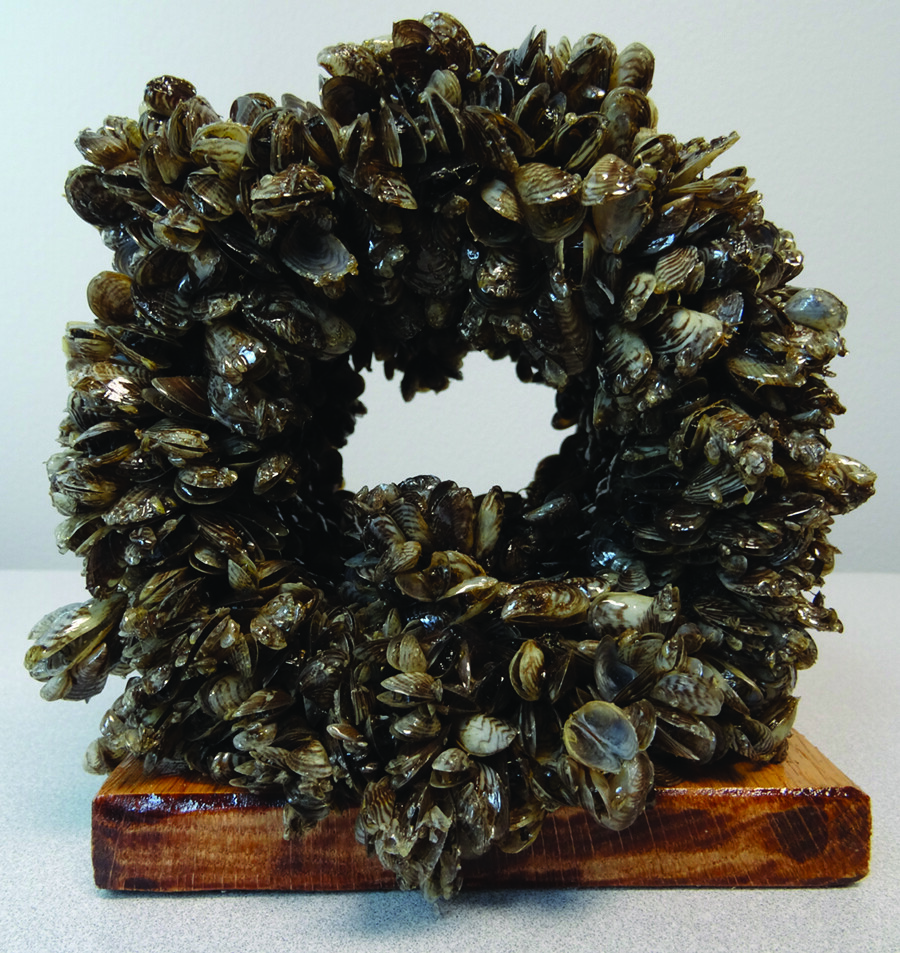
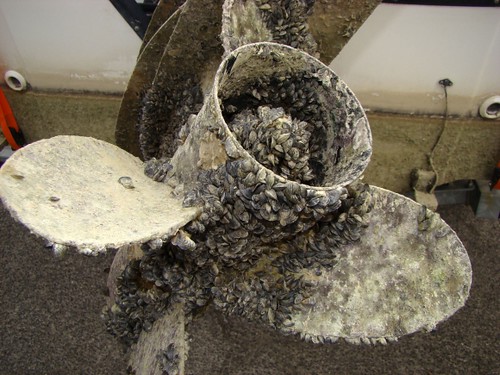


Do Your Part to Protect Our Water!
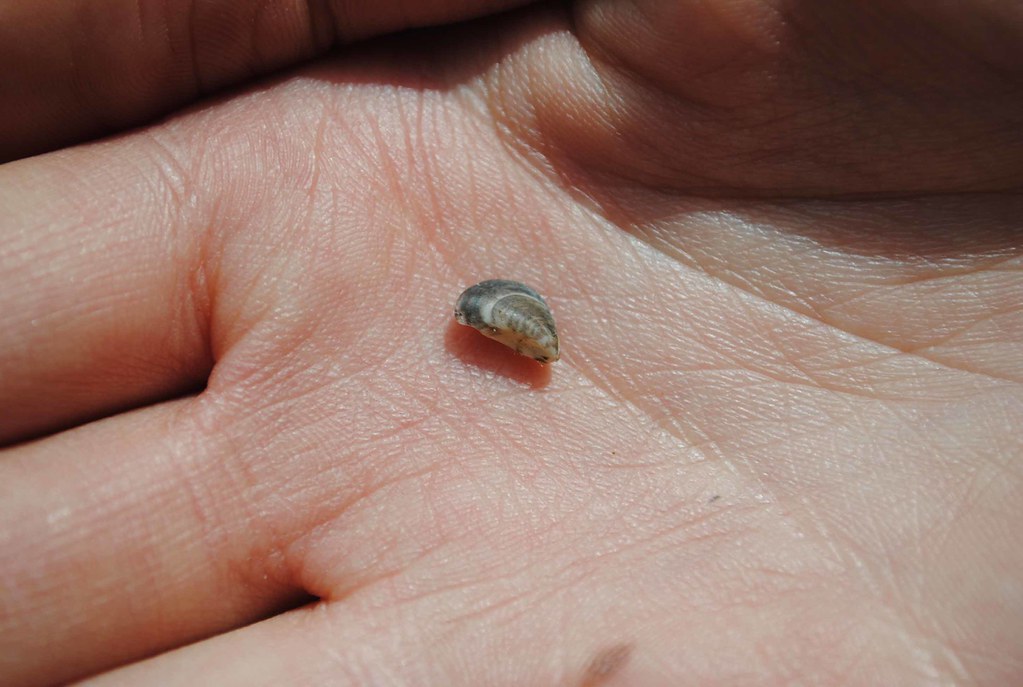
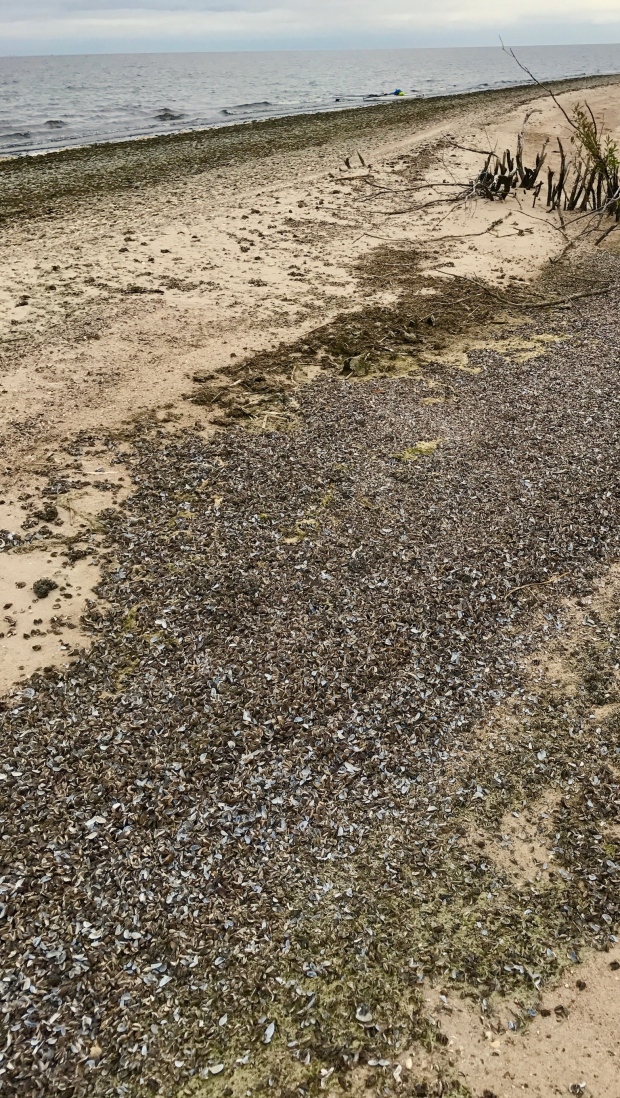
Despite this good news, the threat of invasive mussels looms large. Zebra and quagga mussels can devastate aquatic ecosystems, outcompete native species, and negatively impact recreational activities, increase hydro and maintenance costs. CKISS urges all watercraft users- whether motorized or non-motorized- to comply with the B.C. Invasive Mussel Defence Program, which includes mandatory watercraft inspections to prevent their spread. Additionally, please remember to Pull the Plug – it’s the law in B.C. It is illegal to transport your watercraft with the drain plug still in place in B.C. Before transporting a boat or other watercraft, owners/operators must remove the drain plug and drain all water on dry land. The “Pull the Plug” requirement is a critical part of the Clean, Drain, Dry process for watercraft and gear when moving between waterbodies. These simple actions help prevent the accidental spread of invasive species and protect our cherished lakes and rivers.
Our Supporters:
For more information on the Invasive Mussel Defence Program, click here.